Water Testing Services for Queens Homeowners and Small Apartment Buildings
Introduction Queens is one of the most diverse residential boroughs in New York City, with…
NYS ELAP-certified water testing and analysis services for commercial properties, management companies, food businesses, schools, co-ops, condominiums, brownstones, and residential buildings throughout Queens.
Certified lead testing for Queens properties — brownstones, pre-war buildings, co-ops, condominiums, commercial properties. Lead, copper, arsenic, iron, manganese. On-site sampling at the point of use. No safe level of lead in drinking water exists.
Total coliform, E. coli, HPC, and potability testing at the point of use. Required for food businesses, restaurants, schools, daycares, and commercial properties with NYC DOH compliance requirements.
Point-of-use Legionella analysis for cooling towers, showers, faucets, pools, spas, and decorative water features.
Comprehensive PFAS screening — PFOA, PFOS, and related compounds. No color, taste, or odor at any concentration. Certified laboratory analysis required for detection. Standalone or full panel.
Copper, iron, manganese, zinc, pH, turbidity, hardness. Full water quality reports identifying the source of discoloration, metallic taste, scaling, and corrosion in Queens building plumbing systems.
Comprehensive well water analysis for Queens properties on private wells — bacteria, arsenic, nitrates, iron, manganese, pH, hardness, and VOCs. Annual testing and pre-purchase panels available.
Sequential certified sampling from the same fixture at timed intervals. Identifies contamination source — fixture, branch pipe, unit riser, or building riser. Diagnostic reports included with results.
Certified water testing programs for Queens property management companies. Lead testing, potability analysis, Legionella sampling, and annual water quality reports with full compliance documentation. Programs designed for multi-building portfolios.
NYC DOH and EPA compliance water testing for Queens food businesses, restaurants, catering operations, and food packaging facilities. Potability testing, bacteria and E. coli analysis, and certified water quality reports for regulatory submission.
Lead testing under New York State's 3Ts program (Training, Testing, Taking Action) for Queens schools, daycares, childcare facilities, and BOCES. NYS DOH compliant sampling protocols, certified laboratory results, compliance reports, and remediation guidance.
Building-wide lead testing, Legionella sampling, and certified water quality analysis for Queens co-op boards, condo associations, and hi-rise residential buildings. Results accepted by building attorneys and NYC regulatory agencies.
Pre-purchase and pre-listing certified water testing for Queens homes — including private well properties. Water quality reports accepted by real estate attorneys, mortgage lenders, and home inspectors. Lead, potability, bacteria, and full panel options available.
Legionella water management programs, potability testing, and certified water quality analysis for Queens healthcare facilities, nursing homes, hotels, gyms, and institutional properties with ongoing compliance requirements.
Speak with our water testing consultants to determine the appropriate testing panels, sampling locations, and compliance requirements for your Queens property or facility.
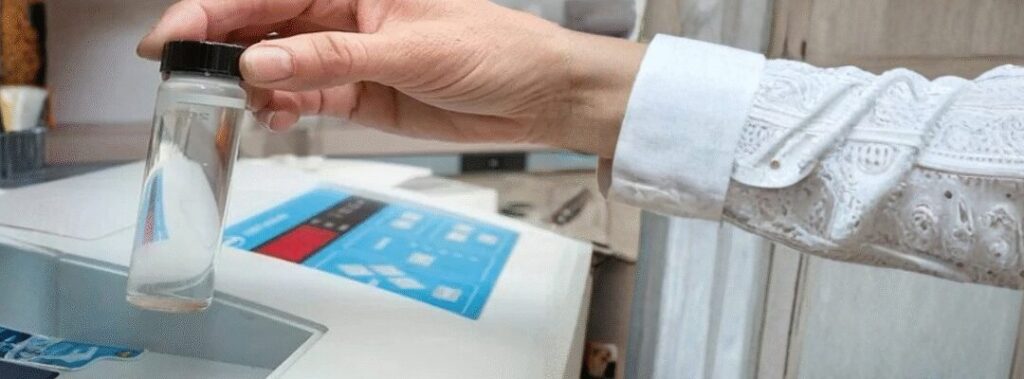
Licensed water testing specialists collect samples at your property following EPA-approved protocols with full chain-of-custody documentation from collection through laboratory analysis.
Analysis at NELAP accredited analysis. Results certified by NYS ELAP. Water quality reports with EPA action level comparisons and expert findings delivered.
Brown water in Queens homes is usually caused by sediment or internal buildup that becomes dislodged within plumbing systems. This can occur due to changes in water flow, pressure fluctuations, hydrant flushing, or nearby construction activity. In older homes, pipes may contain accumulated material that remains stable under normal conditions but can be disturbed when system conditions change.
While brown water is often temporary and clears after running the tap, repeated occurrences may indicate underlying plumbing issues. Because visual appearance alone cannot determine the cause, professional water testing is recommended when the issue persists.
Certified water testing laboratories analyze samples to identify whether sediment, corrosion, or other factors are contributing to the condition. This provides homeowners with a clear understanding of water quality at the point of use.
Queens tap water is generally safe for drinking and cooking when it leaves the municipal distribution system. New York City sources its water from protected reservoirs and treats it to meet strict safety standards before it reaches residential areas.
However, once water enters a home’s plumbing system, its quality can be influenced by pipes, fixtures, and system design. In older homes or buildings with aging infrastructure, these factors may affect water conditions before it reaches the tap.
For this reason, professional water testing provides a more accurate assessment of water quality within a specific property. Certified laboratory analysis ensures that conditions are evaluated based on actual usage rather than general system-wide data.
This approach allows homeowners to confirm that their water meets expected standards within their own plumbing environment.
The frequency of water testing in Queens residential properties depends on factors such as property age, plumbing condition, and usage patterns. In general, periodic testing is recommended to monitor water quality and identify any changes over time.
Older homes or properties with mixed plumbing materials may benefit from more frequent testing, as these systems are more likely to influence water conditions. Testing is also advisable after plumbing repairs, renovations, or noticeable changes in water appearance or taste.
Professional water testing consultants often recommend establishing a routine schedule tailored to the property. Certified laboratory analysis provides consistent data that helps track trends and supports proactive maintenance decisions.
Regular testing ensures that water quality remains consistent and helps homeowners maintain confidence in their drinking water.
Yes, plumbing inside the home can influence water quality even when the city supply is clean. Once water enters a residential plumbing system, it interacts with pipes, fittings, and fixtures that vary in material and condition.
In Queens homes, especially older properties, plumbing systems may include components that contribute to corrosion or internal buildup over time. These conditions can affect the presence of metals, sediment, or other factors within the water.
Because each home has a unique plumbing layout, water quality can vary between fixtures and areas within the same property. Certified water testing laboratories analyze samples collected from specific locations to determine how internal plumbing is affecting water conditions.
Professional consultants interpret these results to provide clear guidance and ensure that any concerns are properly addressed.
Professional water testing laboratories analyze a wide range of contaminants to provide a comprehensive assessment of drinking water quality. These typically include metals such as lead and copper, which are often associated with plumbing systems and corrosion.
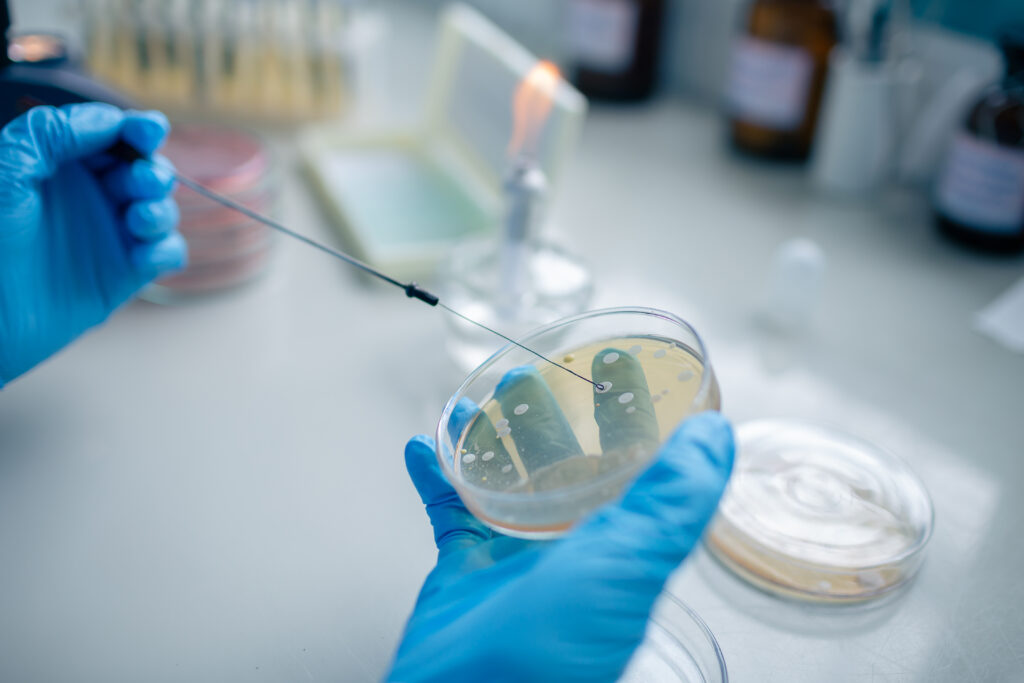
Laboratories also test for microbial indicators, including heterotrophic plate count, total coliform, and E. coli, to evaluate bacterial presence. In addition, testing may include emerging contaminants such as PFAS, which require specialized laboratory methods for accurate detection.
Other parameters, such as sediment and overall water composition, are evaluated to understand physical and chemical conditions. Certified laboratories use advanced instrumentation and standardized procedures to ensure reliable results.
Professional water testing consultants review laboratory reports and provide guidance based on findings, helping homeowners understand water quality and determine appropriate next steps.
Introduction Queens is one of the most diverse residential boroughs in New York City, with…